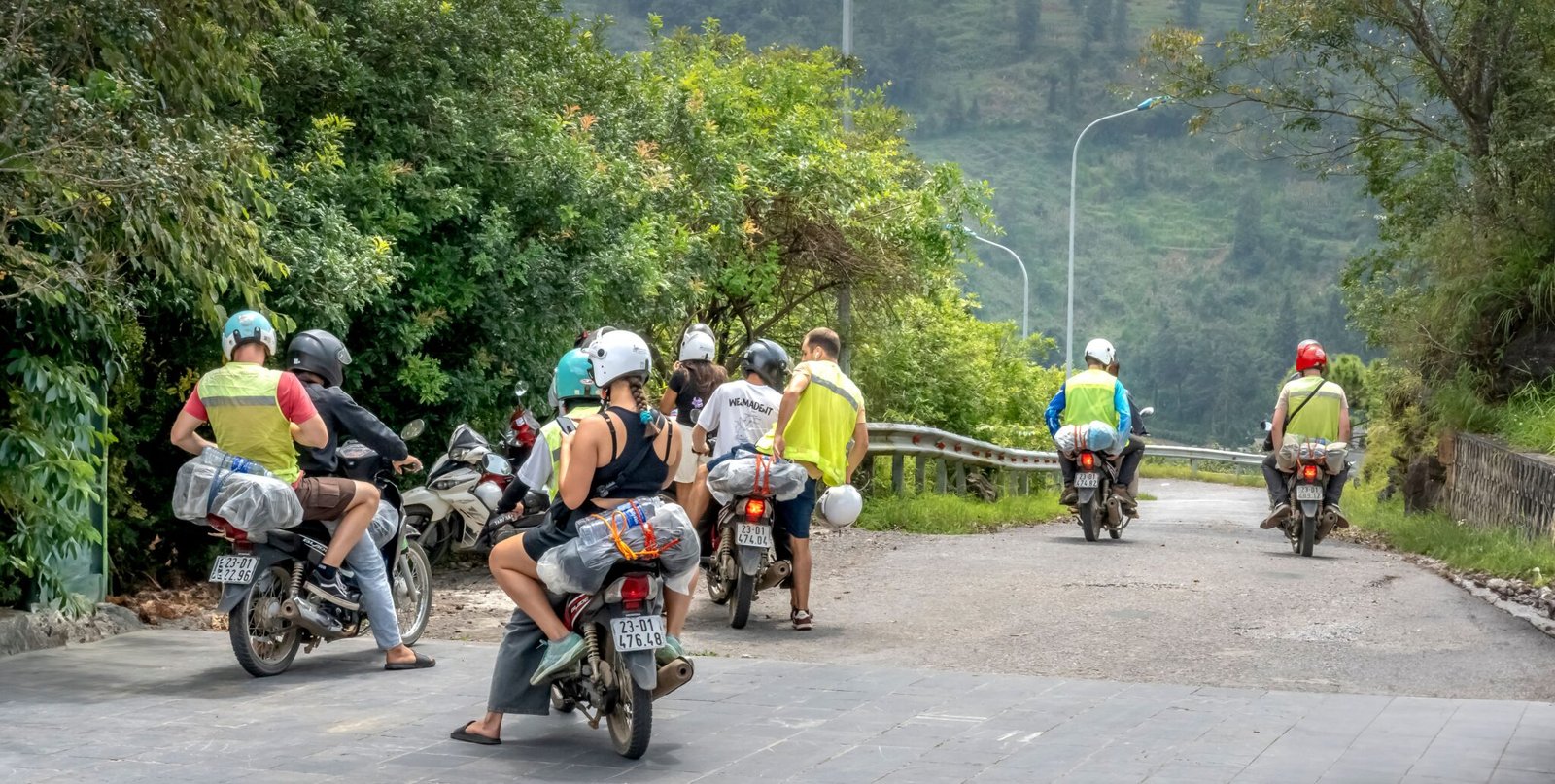
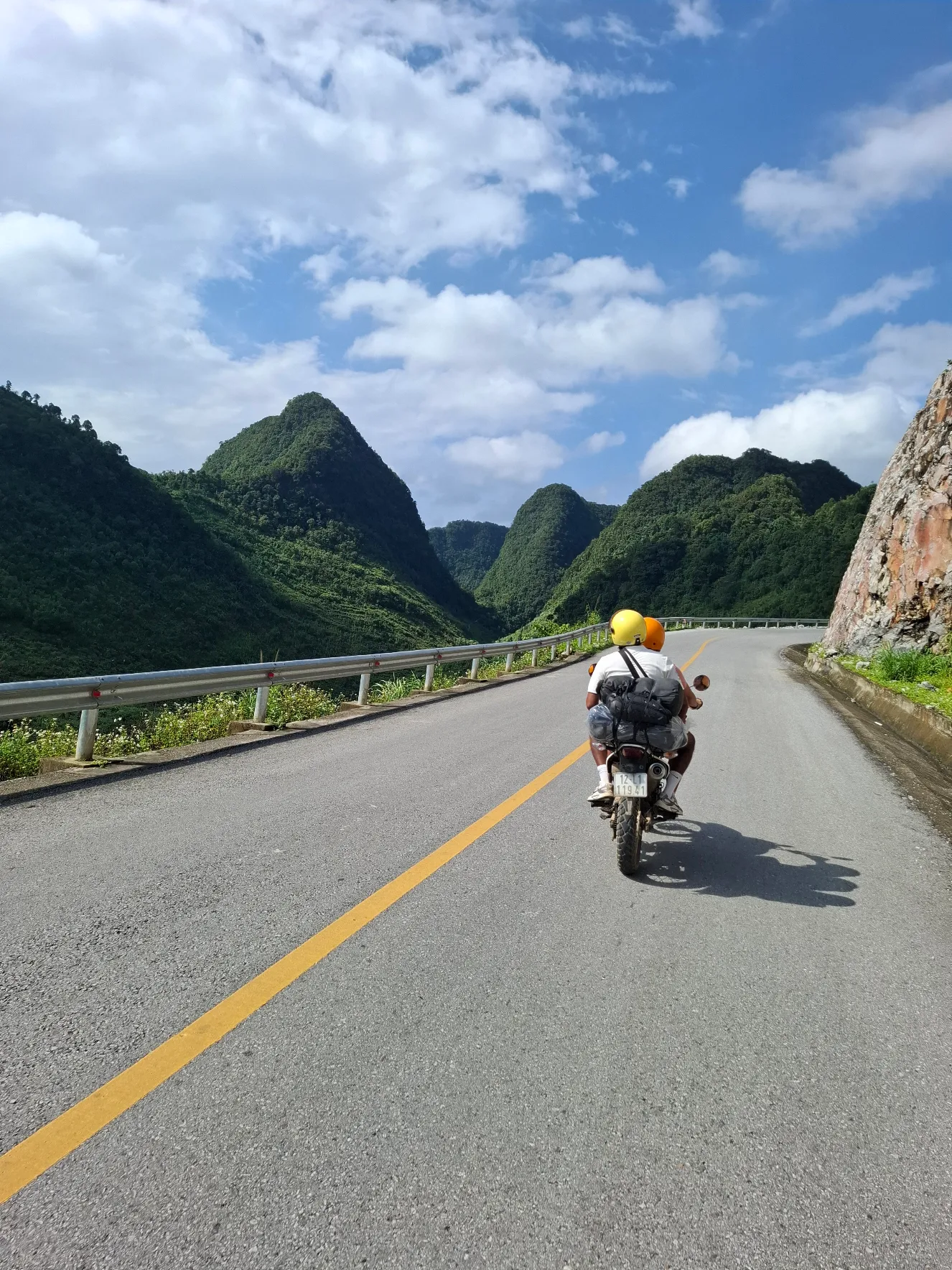
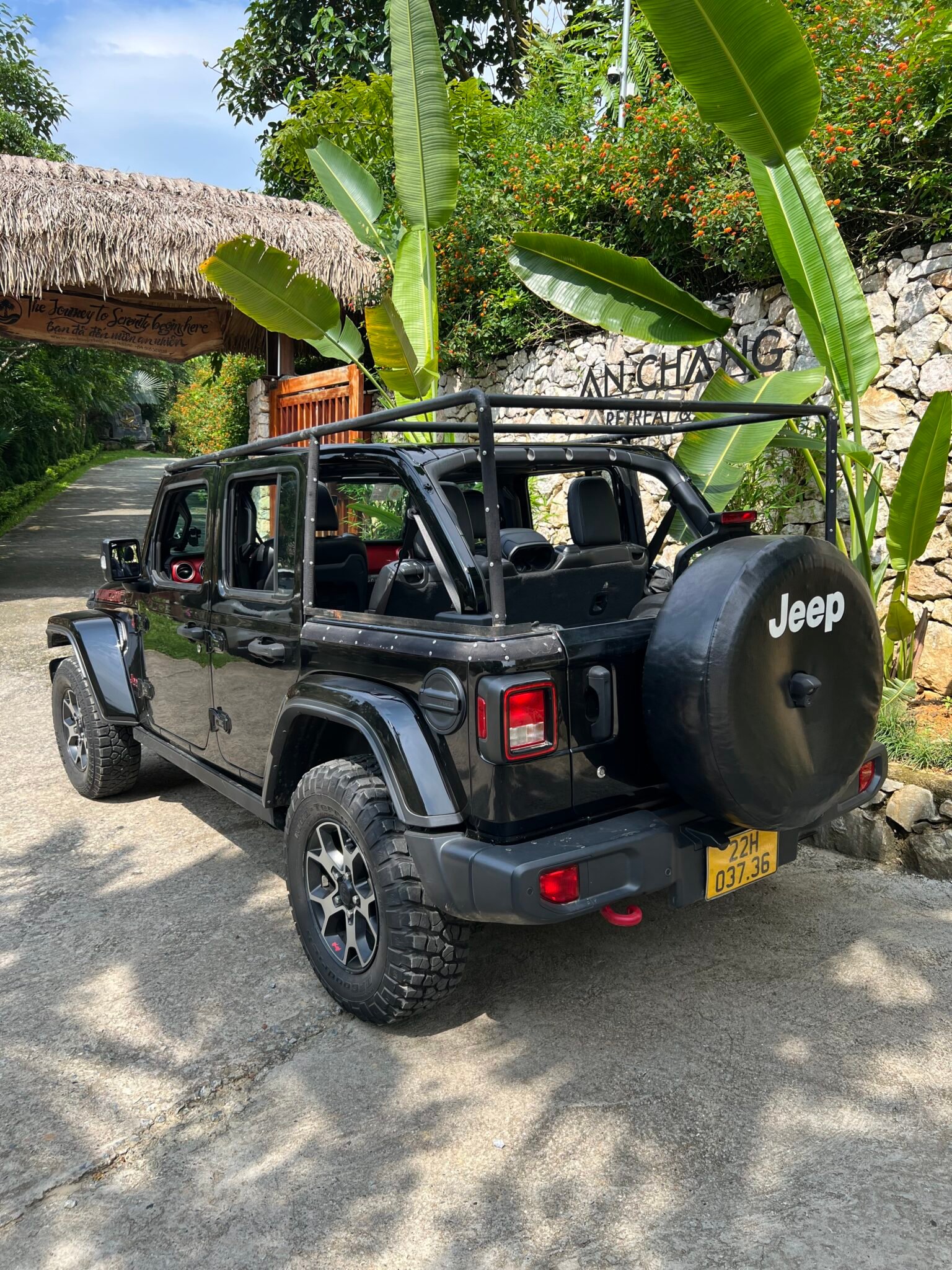
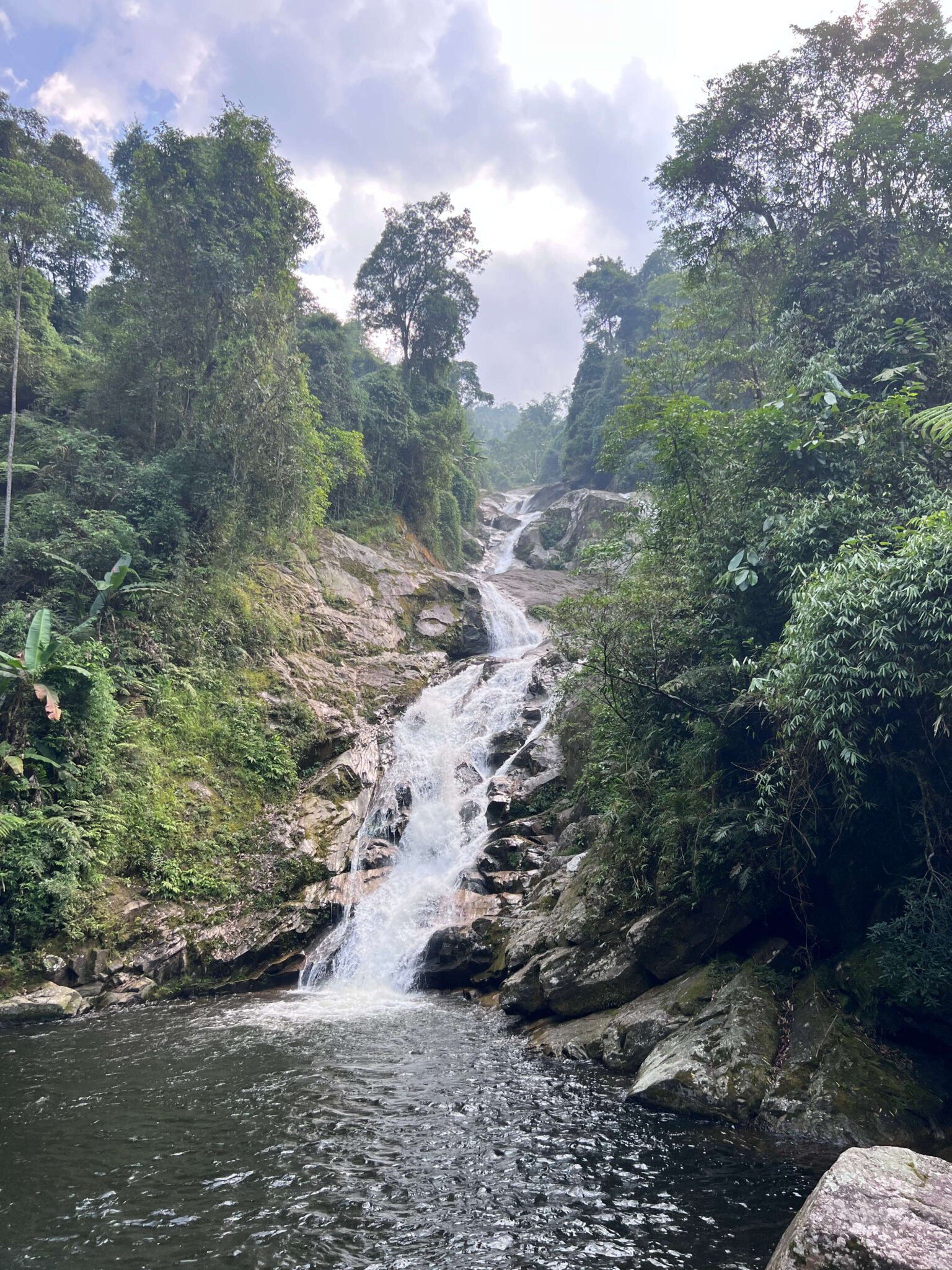
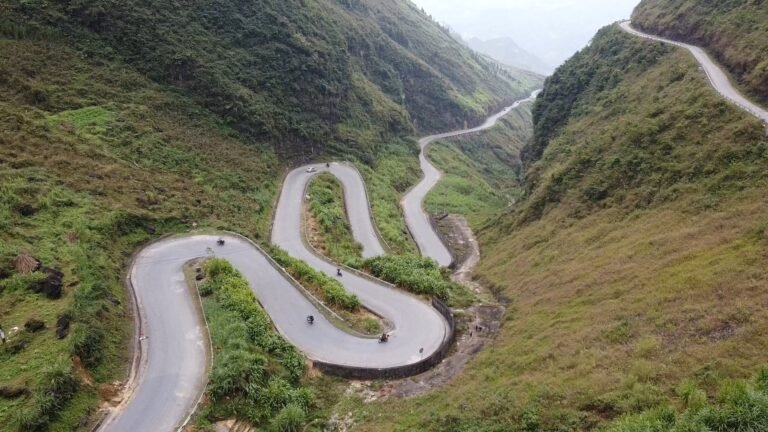
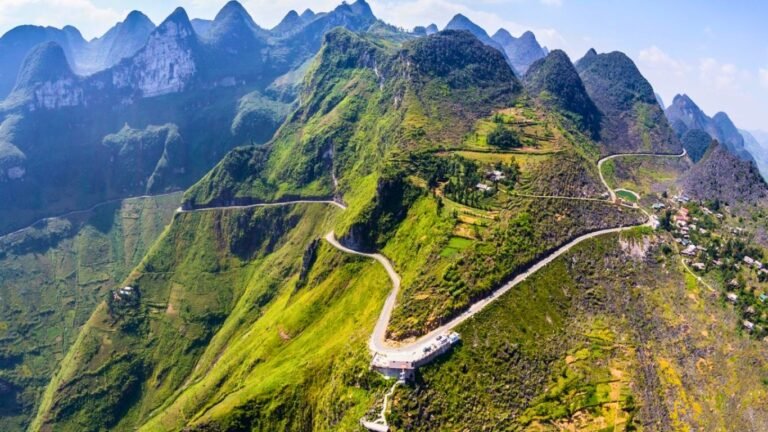
The Ha Giang Loop can be explored throughout the year,
with every season bringing different weather, landscapes and riding conditions.
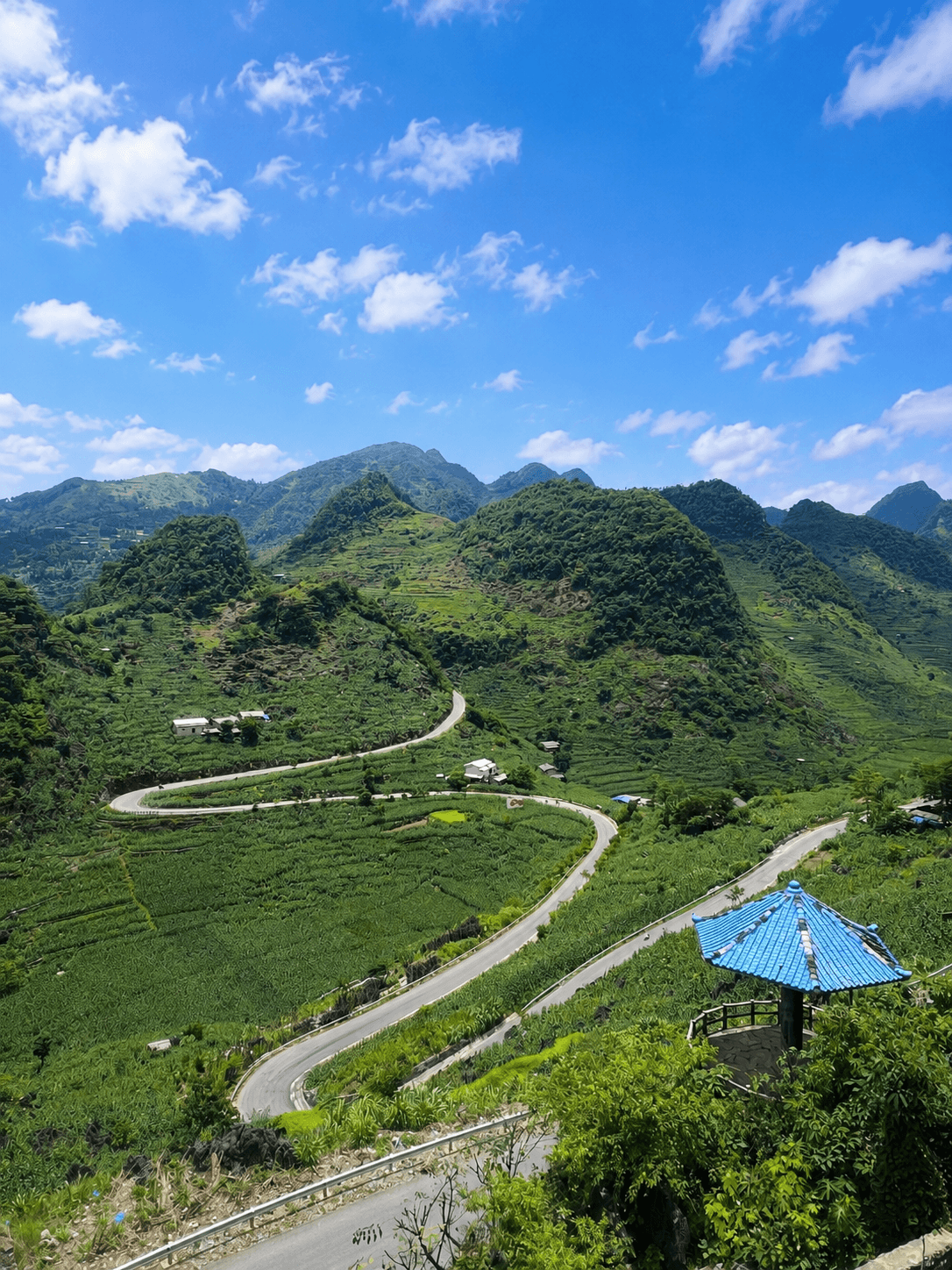
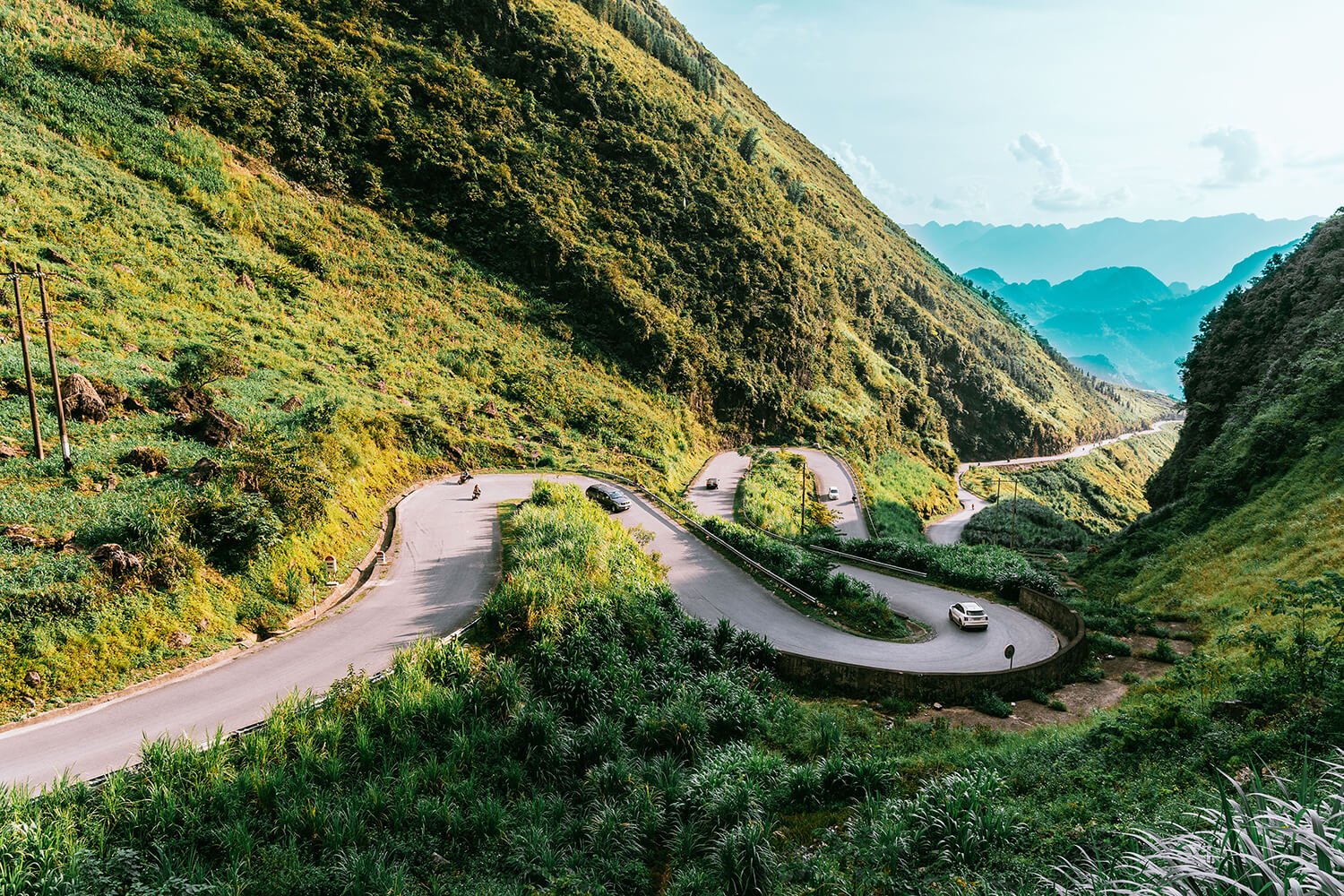
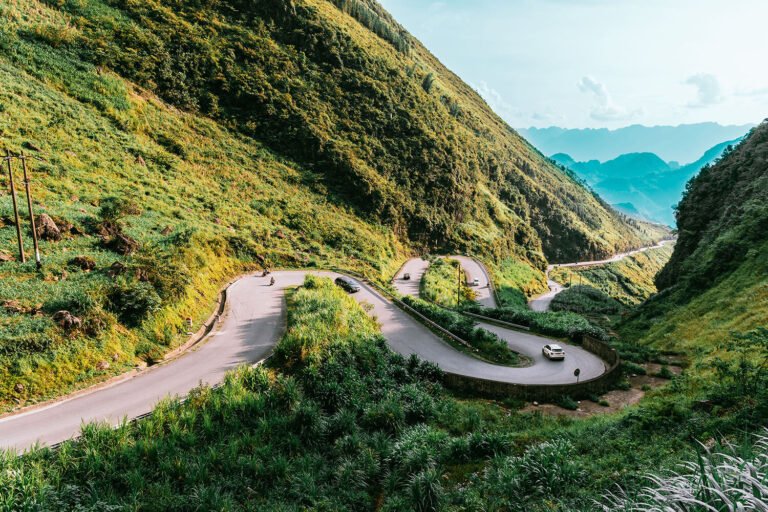
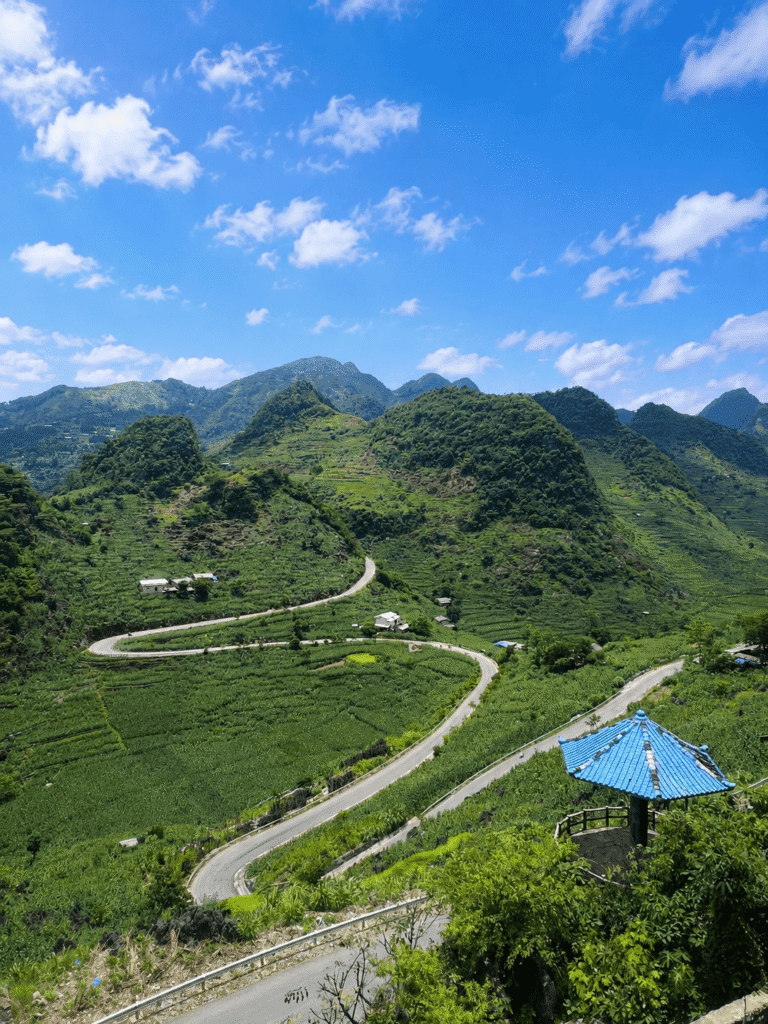
Spring brings fresh green scenery, summer transforms the mountains with lush vegetation,
autumn is known for golden rice terraces, while winter offers cooler temperatures and
atmospheric mountain views.
There isn't necessarily one perfect time to visit Ha Giang. The best season depends on
the experience and scenery you're looking for.
Spring in Ha Giang – March to May
Spring brings warmer days and some of the most refreshing scenery on the Ha Giang Loop.
Temperatures rise from around 22°C in March to 26°C in April
and around 30°C in May, with May also bringing more rainfall.
The mountains become incredibly green, while the rice fields begin their new growing cycle.
In April and May, you can often see flooded rice terraces reflecting the sky and surrounding
mountains, creating beautiful mirror-like landscapes.
Visibility can be good between showers, although mist and cloud can appear around the
higher mountain passes.
What to bring: Lightweight, breathable clothes, comfortable trousers or
shorts, sunglasses, sun cream and a light waterproof jacket. A thin extra layer is useful
for cooler mornings and higher mountain roads.
Summer in Ha Giang – June to August
Summer is hot, humid and incredibly green, with daytime temperatures generally around
30°C to 32°C. It can feel considerably warmer when riding in the humidity.
This is also the wettest period of the year, particularly during July, so you should be
prepared for sudden heavy showers and thunderstorms.
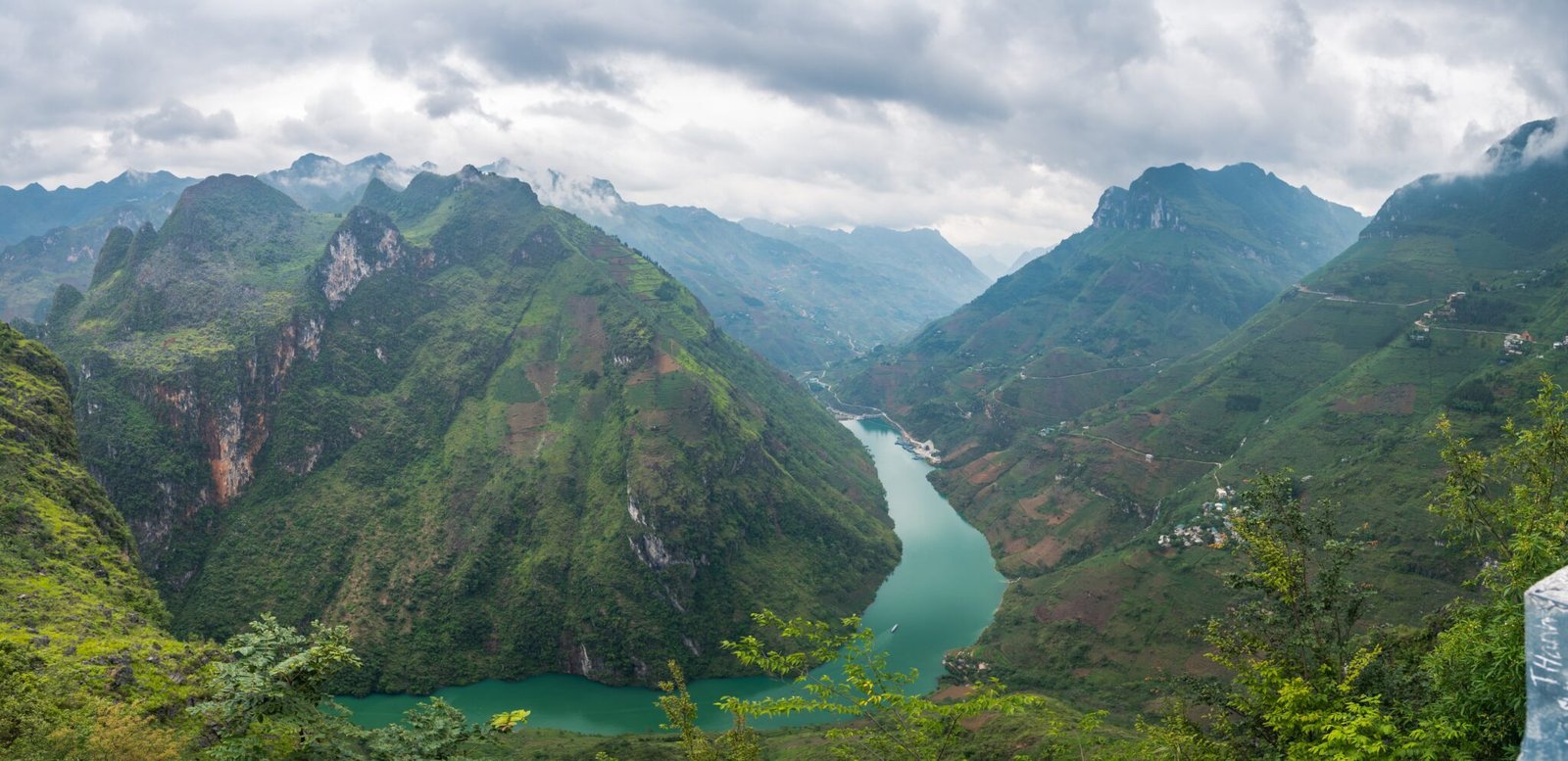
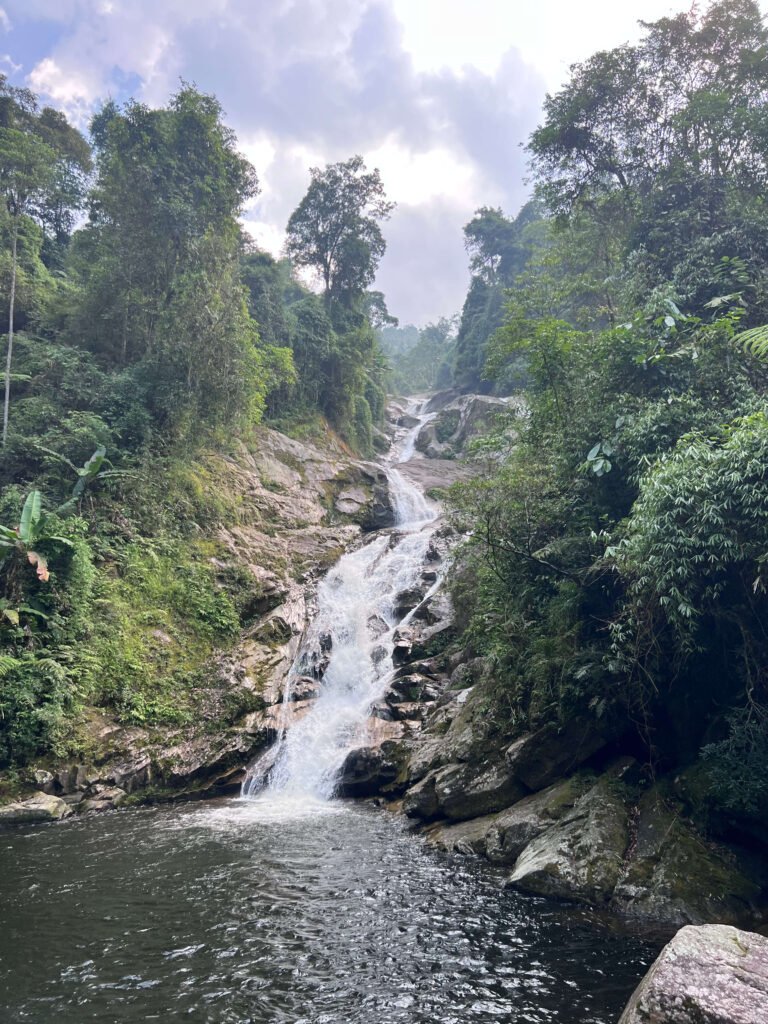
The rain creates some of the most dramatic scenery of the year. Rice fields become a
brilliant deep green, waterfalls and rivers fill with fresh mountain water, and the valleys
around Du Gia can look almost tropical.
Visibility can change quickly, with clear mountain views sometimes followed by mist,
cloud or rain.
What to bring: Lightweight quick-drying clothing, breathable tops,
shorts or light trousers, sunglasses and plenty of sun protection. A good waterproof
jacket or poncho is essential, along with waterproof protection for your phone and
other belongings.
Autumn in Ha Giang – September to November
Autumn is one of the most spectacular times to experience the Ha Giang Loop.
Temperatures become more comfortable, averaging around 29°C in September,
26°C in October and 23°C in November.
Rainfall also begins to decrease, which can make riding conditions more comfortable
and visibility generally better.
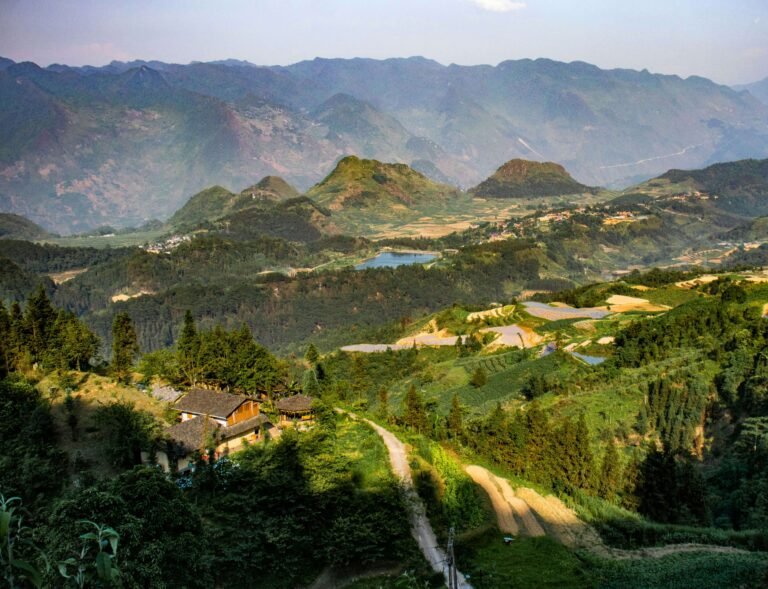
The scenery changes dramatically as the rice terraces turn golden during harvest season.
Entire mountainsides can glow yellow and gold beneath the limestone peaks, while the
rivers and valleys remain surrounded by lush vegetation.
October and November can also bring clearer skies and beautiful mountain sunsets,
making autumn particularly popular with travellers looking for spectacular views.
What to bring: Comfortable lightweight clothes for the day, long trousers,
a light jumper or fleece for mornings and evenings, plus a waterproof jacket.
A windproof layer is particularly useful on the higher passes.
Winter in Ha Giang – December to February
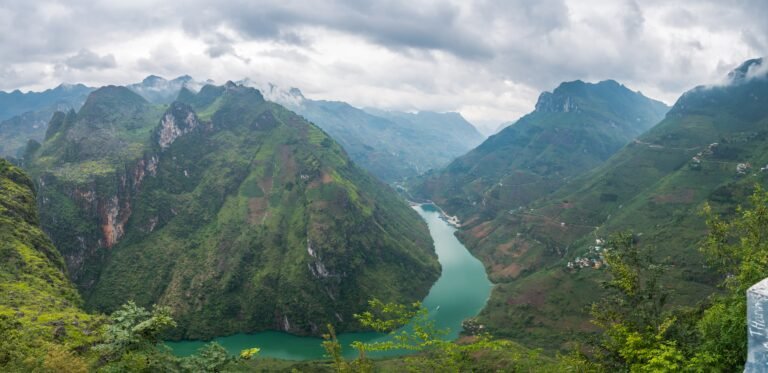
Winter gives the Ha Giang Loop a completely different atmosphere, with cooler
temperatures and quieter roads.
Daytime temperatures are generally around 16°C to 20°C, while mornings,
evenings and higher mountain areas can feel considerably colder.
The landscape becomes more rugged and atmospheric, with mist drifting through the
valleys and clouds surrounding the limestone mountains.
On clear days, visibility can be excellent, creating huge panoramic views across the
mountains and valleys. On other days, fog and low cloud can give the higher passes a
completely different character.
What to bring: Warm layers, long trousers, a fleece or jumper,
windproof jacket, gloves and warm socks. A waterproof outer layer is also recommended,
as mountain weather can change quickly.
So, What Is the Best Month to Visit Ha Giang?
If you're looking for comfortable temperatures, lower rainfall and spectacular scenery,
September to November can be an excellent time to visit Ha Giang.
However, every season offers something different. Spring is fresh and green, summer
brings dramatic waterfalls and lush valleys, autumn transforms the rice terraces into
shades of gold, and winter offers cooler, quieter and more atmospheric mountain scenery.
Whenever you visit, Ha Giang has its own unique character and the landscape can change
considerably from one month to the next.
Experience the Ha Giang Loop
Explore the mountains, villages, passes and incredible scenery of northern Vietnam
on one of our guided Ha Giang Loop tours: